


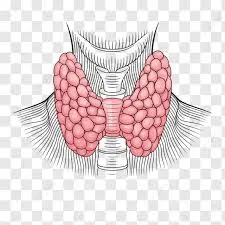
The thyroid is a small butterfly-shaped gland producing T3 and T4 hormones that regulate metabolism. Iodine, selenium, and zinc are essential for these hormones, so nutrition directly influences thyroid function.
Nutrition in Hypothyroidism
In hypothyroidism, including Hashimoto thyroiditis, metabolism slows. Iodine deficiency remains a common cause globally; iodized salt and seafood support intake. Selenium is crucial for converting T4 to active T3. Brazil nuts (around two daily), tuna, and eggs are useful selenium sources.
Key Minerals for Thyroid Health
- Iodine: iodized salt, seafood, dairy
- Selenium: Brazil nuts (about 2/day), tuna, eggs
- Zinc: red meat, shellfish, pumpkin seeds
- Iron: red meat and legumes (supports thyroid peroxidase activity)
Goitrogenic Foods
Raw cruciferous vegetables such as broccoli, cabbage, and cauliflower contain goitrogenic compounds that may theoretically interfere with thyroid hormone synthesis. In practice, this is usually relevant only with excessive intake plus iodine deficiency. Normal amounts, especially cooked, are generally well tolerated.
Nutrition Notes for Levothyroxine Users
Levothyroxine (synthetic T4), taken on an empty stomach in the morning, may have reduced absorption when combined closely with calcium supplements, iron, high-fiber cereals, or grapefruit juice. Breakfast is typically recommended at least 30-60 minutes after dosing. Soy can also affect absorption in some cases; timing should be individualized with clinical guidance.