


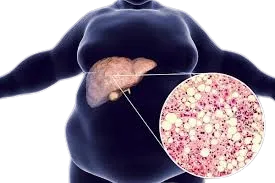
Non-alcoholic fatty liver disease (NAFLD) affects about one in four adults worldwide and is strongly associated with obesity, insulin resistance, and metabolic syndrome. The good news is that early-stage disease can often be largely reversed with nutrition and lifestyle change.
Why Fatty Liver Develops
The liver is central in fat metabolism. Excess calorie intake - especially from fructose and refined carbohydrates - promotes hepatic fat accumulation. Insulin resistance accelerates this process. In non-drinkers this is NAFLD, while alcohol-related disease is ALD; both can lead to serious complications.
Nutrition Strategies
The Mediterranean diet has the strongest evidence for NAFLD management. A pattern rich in olive oil, fish, legumes, vegetables, fruits, and whole grains can reduce liver fat and inflammation. A daily energy deficit around 500-750 kcal is commonly recommended, corresponding roughly to 0.5-1 kg weekly weight loss.
Foods to Strictly Limit in Fatty Liver
- Fructose syrups and sugary beverages
- Alcohol (even low amounts may worsen liver status)
- Trans fats and fried foods
- White bread, sugary cereals, packaged cakes and pastries
- Processed meats (salami, sausage, similar products)
Supportive Foods
Coffee (including decaffeinated forms) at around 2-3 cups per day may slow fibrosis progression. Curcumin from turmeric, green tea, and cruciferous vegetables (broccoli and other cabbage family foods) show liver-protective effects. Omega-3-rich fish (salmon, mackerel, sardines) should be consumed at least twice weekly.
Role of Exercise
Losing around 7-10% of body weight can significantly reduce liver fat. Aerobic and resistance exercise, in addition to nutrition change, accelerates improvement. A target of about 150-200 minutes of moderate-intensity activity per week is appropriate.