


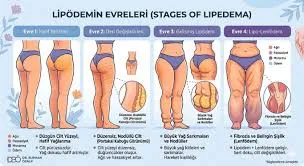
Lipedema is a chronic condition characterized by symmetrical, painful, and edematous fat tissue accumulation, typically in the legs, hips, and sometimes arms. It is fundamentally different from ordinary cellulite and obesity.
Difference Between Lipedema and Cellulite
Cellulite is a structural skin appearance change (orange-peel texture), seen in many women, and is not a disease. Lipedema is a clinical condition where fat cells enlarge abnormally, capillaries become fragile, and tissue tenderness or pain is common. Weight loss alone does not remove lipedema tissue.
Nutrition Approach
An anti-inflammatory nutrition pattern is one of the most effective supportive approaches for symptom reduction. Omega-3-rich foods (salmon, sardines, flaxseed), olive oil, colorful vegetables and fruits, and polyphenol-rich foods help modulate inflammation. Sugar, refined carbohydrates, and processed foods can worsen inflammatory load.
Supportive Approaches in Lipedema Management
- Anti-inflammatory nutrition (Mediterranean pattern)
- Salt reduction for edema control
- Adequate water intake (at least 2-2.5 liters/day)
- Compression garments
- Manual lymph drainage (MLD)
- Low-impact exercise: swimming, cycling, walking
What Nutrition Alone Cannot Solve
Lipedema is shaped by hormonal factors and may worsen during puberty, pregnancy, and menopause. Nutrition helps symptom control but is not sufficient alone; multidisciplinary care with experienced clinicians and lymphedema therapists is recommended.