


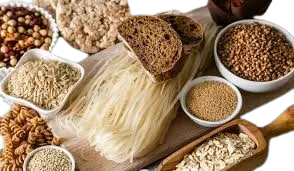
Celiac disease is an autoimmune disorder in which gluten damages the small intestinal mucosa. The only treatment is strict lifelong gluten-free nutrition; when implemented correctly, intestinal healing occurs and symptoms resolve.
Where Is Gluten Found?
Gluten is a protein complex found in wheat, barley, and rye. It is obvious in bread, pasta, flour, biscuits, and cakes, but hidden gluten may also exist in soy sauce, instant soups, some medications, and coating agents used in supplements.
Safe Gluten-Free Grains and Starches
- Rice, corn, potato starch
- Quinoa, amaranth, buckwheat
- Certified gluten-free oats
- Teff, sorghum
- Almond flour, coconut flour, chickpea flour
Cross-Contamination
In celiac disease, even gluten exposure above very small thresholds can cause intestinal injury. Cross-contamination through shared pans, toasters, and utensils is therefore critical. Risk management is essential both at home and when eating out.
Deficiencies and Supplementation
At diagnosis, many people with celiac disease have iron, calcium, vitamin D, B12, folate, and zinc deficiencies. These values improve as intestinal healing progresses on a gluten-free diet, but many packaged gluten-free products are nutritionally poor. Regular blood monitoring and targeted supplementation when needed are essential.